

polite speech : ค้นหาหนังสือธรรมะ หน้า 2 / 2
หน้าหนังสือทั้งหมด
49
Understanding the Eightfold Path in Buddhism
Suzanne Jeffrey
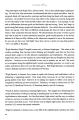
"The path begins with Right View, Samma-Ditthi. This is also called Right Understand-
ing. On one level, this means that we understand that there is cause and effect: that do-
ing goo
The text outlines the initial parts of the Eightfold Path in Buddhism, emphasizing the importance of Right View, which differentiates good and bad actions based on cause and effect. Right Intention is
94
Understanding Merit and Demerit: The Law of Karma
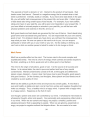
The opposite of merit is demerit, or ‘sin’. Demerit is the product of bad deeds. Bad deeds cause ‘bad karma’. Demerit is a negative energy that is created when a bad deed is performed: mentally, bodil
The opposite of merit is demerit, representing the consequences of bad deeds which cause negative karma. Both good and bad deeds are governed by the Law of Karma, where actions determine outcomes in t
146
Understanding the Eightfold Path
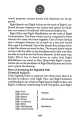
which proposes various moods and situations for its approval.
Right Speech and Right Action are the tools of Right Livelihood because whenever our actions and speech are faultless, our means of liveli
This excerpt delves into the components of the Eightfold Path, highlighting the significance of Right Speech and Right Action as essential tools of Right Livelihood. It compares virtues to friends sup
226
Understanding Key Buddhist Concepts
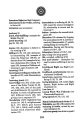
Inention, Right (see Right Intention)
internment in the womb, suffering
irritation (see annoyance)
jealousy 50
jewel, wish-fulfilling - metaphor for Middle Way 39
jewel-knowing 110
joy 38, 123, 130
ka
This text delves into central Buddhist themes such as the nature of suffering, the importance of right intention, and the concept of liberation. Key metaphors like the jewel of knowledge and the lion
232
Exploration of Metaphors in Buddhist Philosophy
snake, poisonous, mistaken for rope spire, a palace - {metaphor for Mid-
- {metaphor for self-mortification dle Way 38-9} 36}
spouses, categories of 154-6
snake - {metaphor for craving 88}
sprite, ear
This text explores several metaphors used in Buddhist philosophy, including the snake as a metaphor for craving and its relationship to the concept of suffering. It further elaborates on the significa
233
Exploring Suffering and Enlightenment in Buddhist Philosophy
dying 58, 67-9, 199; of exposure to third absorption 129, 130, 131
hateful things 71-2; of illness, 12, thought, discursive, sense 96, 100
46, 57, 66-7, {metaphors: donkey thought-conception: discursi
This text delves into the intricate themes of suffering and enlightenment within Buddhist teachings. It explores the various aspects of suffering, including its origins and manifestations, and the pat
67
Understanding the Basics of Machine Learning
Universal Goodness : 65
In the Patisambhidamagga text, Venerable Sariputra says:
"Sila is the intention to abstain from three forms of physical dishonesty, namely, killing, stealing and sexual miscon
Machine learning is a subset of artificial intelligence that focuses on the development of algorithms that allow computers to learn patterns from data. It is widely used in various applications such a
62
Instilling Good Habits in Children
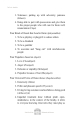
learn. Breast feeding on time is another way to teach a baby
about punctuality. Changing the diaper immediately when it
is wet can build the habit of cleanliness. Finally, speaking with
sweet and gent
การให้อาหารเด็กและการเปลี่ยนผ้าอ้อมอย่างทันทีช่วยสอนเด็กเกี่ยวกับความสะอาดและความเสมอต้นเสมอปลาย รวมถึงการใช้คำพูดสุภาพเมื่อสื่อสาร. เด็กเป็นผ้าขาวที่จะเรียนรู้จากสิ่งที่ได้รับ หากพ่อแม่ไม่สนใจ พฤติกร
194
Exploring Tolerance and Benevolence in Daily Life
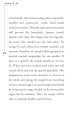
Part Seven: Appendixes
3. Tolerance; putting up with adversity; patience
(Khanti)
4. Being able to part with possessions and give them
to the proper people who will care for them well;
renunciation (C
In this section, we delve into the virtues of tolerance and benevolence, such as patience (Khanti) and renunciation (Cāga). The text highlights four detrimental paths leading to ruin, including indulg
44
Journey to Joy: Cultivating Kindness in Marriage
Journey to Joy
44
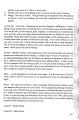
other kindly. This means using polite, respectful,
truthful and constructive words. Kind words
make love sweeter. Warmth and a sense of security
will pervade the household. Spouses s
In 'Journey to Joy', the text emphasizes the importance of using polite, respectful, and constructive words in a marriage. It highlights that kind words can enhance love and create a warm, secure home
158
Understanding Key Buddhist Concepts: Nirodha, Jai Yen Yen, Kamma, and Kilesa
and how to get more of it. This is a vicious cycle.
3. Nirodha: The way to end suffering exists; we need to end the cycle of craving.
4. Magga: The way to do this? Through following the Eightfold Nobl
This text discusses fundamental Buddhist concepts including Nirodha, which emphasizes the need to end the cycle of craving to alleviate suffering. The term 'Jai Yen Yen' encourages a calm and refined

44
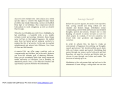
วัฒนธรรมการดื่มชาในสังคม
อ
ย่างที่เรียนให้ทราบไว้ตั้งแต่ฉบับ
เดือนมีนาคมแล้วว่า....ชานั้นมี
อดีตอันนานช้าที่ยังคงต่อเนื่องกับ
ปัจจุบันอยู่อย่างไม่ขาดสาย นับเป็นเวลาประมาณ
กว่า ๓,๐๐๐ ปี จึงเป็นไปไม่ได้ที่จะนำมาเล่าสู่
กันฟังได
อ ย่างที่เรียนให้ทราบไว้ตั้งแต่ฉบับ เดือนมีนาคมแล้วว่า....ชานั้นมี อดีตอันนานช้าที่ยังคงต่อเนื่องกับ ปัจจุบันอยู่อย่างไม่ขาดสาย นับเป็นเวลาประมาณ กว่า ๓,๐๐๐ ปี จึงเป็นไปไม่ได้ที่จะนำมาเล่าสู่ กันฟังได
32
Living a Celibate Life and the Journey to Nibbana
choose to live celibate lives. One solution is to select
specific dates to observe The Eight Precepts which
prohibits any sexual relationship, such as on Buddhist
Holy days or on birthdays. This compr
This text discusses the choice of living a celibate life within Buddhism, highlighting how observing The Eight Precepts on certain dates enables individuals to meet their spiritual obligations. It ref
37
The Four Universal Forms of Benevolence
The Buddha answered this question in one word:
benevolence. That is to say mutual benevolence, the practice
the Four Universal Forms of Benevolence (Sangahavatthu),
promote happiness in living togethe
This text discusses the Buddha's concept of mutual benevolence as the foundation for happiness in relationships. It outlines the Four Universal Forms of Benevolence: Giving, Pleasant Speech, Mutual Be
29
Part One: Family Life and the Importance of Truthfulness
Part One: Family Life
or not each will be responsible enough to assist with another
family member's life, death, success or failure.
A person who is truthful exhibits responsibility in many
ways:
In s
In this section, we discuss the significance of being truthful in our relationships and responsibilities. Truthfulness is essential in speech, work, and friendships. It emphasizes kindness and sinceri
186
Understanding the Five Precepts and Spiritual Cultivation
Part Seven: Appendixes
All of these precepts are meant to decrease kilesa,
especially sexual desire and allow us to focus on spiritual
cultivation.
Five Precepts: five rules of conduct that we can cho
This section discusses the Five Precepts aimed at reducing kilesa, particularly sexual desire, fostering spiritual growth. The Five Precepts include refraining from killing, stealing, sexual misconduc
35
Speech of Luang Por Dhammajayo at Dhammakaya Temple
Chapter 7
Speech of Luang Por Dhammajayo
The Abbot of Dhammakaya Temple
Good afternoon Dr. Michael Nobel, distinguished
guests, ladies and gentlemen,
Welcome to the Dhammakaya Temple. On behalf of
the
In this speech, Luang Por Dhammajayo, the Abbot of Dhammakaya Temple, welcomes esteemed guests, particularly Dr. Michael Nobel. He acknowledges the significant contributions of the Nobel family toward
85
Speech of Solidarity and Verses of Resolution
Speech of Solidarity and Verses of Resolution
By H.E. the Deputy Prime Minister Somsak Thepsuthin,
representing the Prime Minister
Venerable Sirs, Your Excellencies, Distinguished Guests, Ladies
In a poignant speech, H.E. Deputy Prime Minister Somsak Thepsuthin emphasizes the teachings of Buddha regarding the Cycle of Rebirth, the interconnectedness of humanity, and the inevitability of parti
37
Practicing the Four Universal Forms of Benevolence
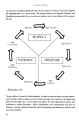
The Buddha answered this question in one word: benevolence. That is to say mutual benevolence, the practice the Four Universal Forms of Benevolence (Sāngahavatthu), promote happiness in living togethe
The Buddha highlighted benevolence as key to mutual happiness. The Four Universal Forms include: 1. Giving (Dāna) – sharing wealth and support fosters a positive atmosphere. 2. Pleasant Speech (Piyavā
73
The Path to a Balanced Mind
Suzanne Jeffery
can lead us to a perfectly balanced mind. In any culture or society, if they don’t support the eightfold path, it is a throw-away. All cultures need to have Respect, Patience, and Dis
This text emphasizes the importance of respect, patience, and discipline in achieving a balanced mind and wisdom. It suggests that all cultures must embrace these values to ensure peace and wisdom. Th